Stain remover finder
Choose the stain and where it is. You will get what to use, the steps and the one mistake that makes it permanent.
How the stain finder works
Every stain belongs to a family, and each family needs a different kind of remover. That is why one "miracle spray" never works on everything. The finder matches your stain to its family and then adjusts the steps for the surface, because you can soak a T-shirt but you should never soak a mattress.
- Tannin stains (coffee, tea, wine, grass): plant-based colors. They respond to dish soap, a little white vinegar and, on white fabric, hydrogen peroxide.
- Protein stains (blood, sweat, urine, chocolate, mud): they "cook" into fabric with heat. Cold water and enzyme cleaners break them down.
- Oil stains (grease, makeup, lipstick): water alone just spreads them. Absorb first with baking soda or cornstarch, then use dish soap, which is designed to dissolve fat.
- Dye stains (ink): need a solvent like rubbing alcohol, dabbed on a cloth.
- Mineral and mold stains (rust, mildew): need a mild acid such as lemon juice for rust, or oxygen bleach for mildew.
The 5 rules that work on any stain
- Act fast. A fresh stain is ten times easier than a dry one.
- Blot, never rub. Rubbing pushes the stain deeper and spreads it. Press with a clean white cloth, from the outside of the stain toward the center.
- Cold water first. When in doubt, cold. Hot water sets protein stains for good.
- Test on a hidden spot. Peroxide, vinegar and alcohol can lighten some dyes. Try a seam or the back of a cushion.
- No dryer until it is gone. Air dry and check. Heat makes leftovers permanent.
Clothes vs. carpet vs. mattress
Clothes and linens are the easiest: you can soak, pre-treat and wash. Always check the care label, and for wool or silk use only cool water and a gentle, enzyme-free detergent.
Carpets and sofas have padding underneath. Too much liquid soaks into it and comes back as a brown ring or a musty smell. Use small amounts, blot a lot, and finish by pressing a dry towel on the spot with something heavy on top. Check the code on sofa tags: "W" means water-based cleaners are fine, "S" means solvent only, and "X" means vacuum only.
Mattresses and pillows are the trickiest: liquid that gets inside takes days to dry. Spray the cloth, not the mattress, and dry the spot with a fan. Once it is dry, a layer of baking soda pulls out leftover odor. Our mattress deep-clean guide covers it step by step.
Safety: never mix stain removers
Many stain hacks online combine products. Some combos are harmless but useless, and some are dangerous. Chlorine bleach with vinegar releases chlorine gas; bleach with ammonia (found in some glass cleaners and in urine) releases chloramine; bleach with rubbing alcohol produces chloroform. Use one product, rinse with water, and only then try the next. Read the full list of combos to avoid.
If the stain is on something valuable, an antique, silk, or dry-clean-only item, take it to a professional and tell them what the stain is. That information alone improves the result.
FAQ
What is the best all-around stain remover?
For most fresh food and drink stains, a few drops of dish soap in cool water, blotted in and rinsed, works surprisingly well. Protein stains like blood, sweat and urine need cold water and an enzyme cleaner. Oil needs dish soap or an absorbent powder first.
Should I use hot or cold water on stains?
Start with cold water when you do not know what the stain is. Hot water sets protein stains such as blood, egg, milk and sweat. Grease is the main exception: once pre-treated, it washes out best in the warmest water the fabric label allows.
Can I mix stain removers to make them stronger?
No. Mixing products can release toxic gases, especially bleach with vinegar, ammonia or alcohol. Use one product, rinse with water, and only then try a different one.
Why should I not put a stained item in the dryer?
Dryer heat bakes the stain into the fibers and can make it permanent. Air dry the item and check it. If any stain is left, treat it again before drying.
Keep going
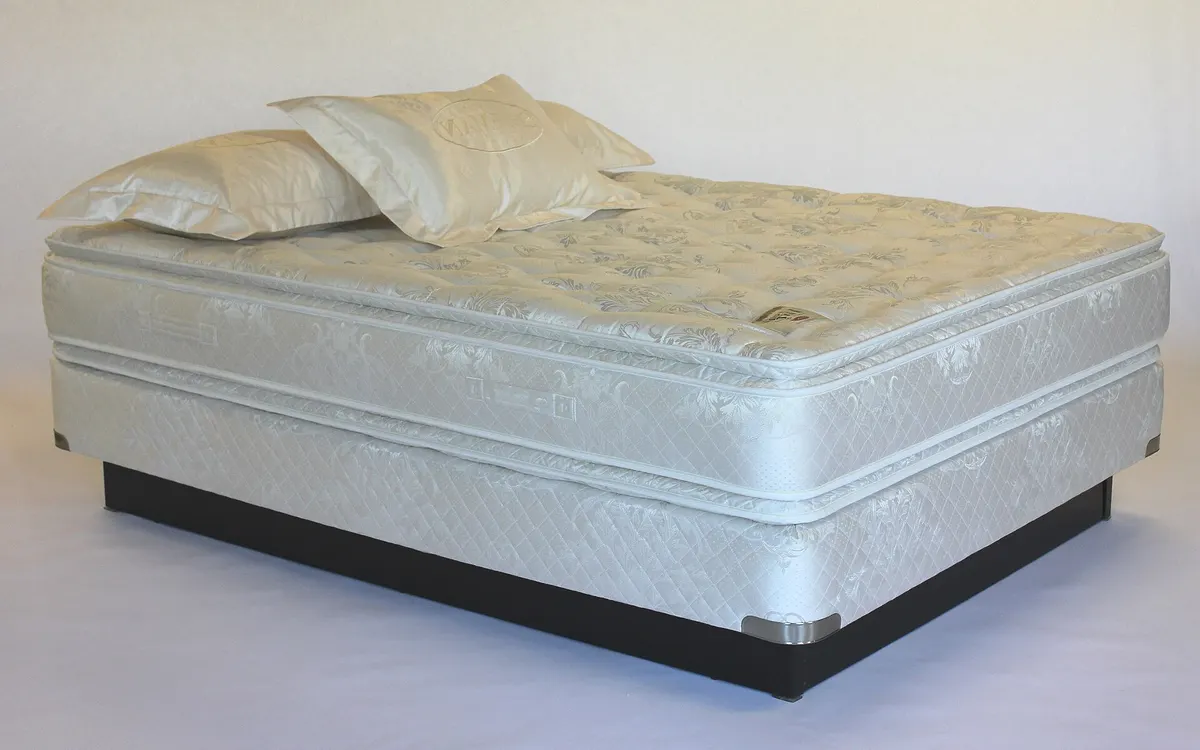
How to Deep Clean a Mattress With Baking Soda (and Remove Stains and Smells)
Vacuum, spot-treat stains, deodorize with baking soda and air it out: the easy way to freshen a mattress, plus how to handle sweat, urine and blood stains.
Bedroom & Living
7 Cleaning Products You Should Never Mix (and What Happens If You Do)
Bleach and ammonia, bleach and vinegar, peroxide and vinegar: the dangerous cleaning combos, why they are toxic, and what to do if you breathed the fumes.
Safety & Supplies
How to Clean a Washing Machine (Front Load and Top Load) So Clothes Stop Smelling
Step-by-step guide to cleaning a smelly washing machine: the gasket, the detergent drawer, the filter and the hot cleaning cycle. Works for front and top loaders.
LaundryMore free tools
- Is Your Pillow Expired? — 7 quick questions to find out if your pillow is still fine, needs a wash, or should go.
- My Cleaning Schedule Generator — Build a 7-day cleaning plan for your home and time. Saved in your browser so you can tick it off.