1. Bleach + ammonia = toxic chloramine gas
This is the most dangerous combo in the house. Mixing chlorine bleach with ammonia releases chloramine vapors, which cause coughing, chest pain, shortness of breath and fluid in the lungs.
Where people mix them without noticing:
- Glass cleaners (many contain ammonia) used right after bleach on a bathroom mirror.
- Cleaning a toilet or cat litter box with bleach. Urine contains ammonia compounds.
- Pouring bleach into a bucket that still has another cleaner in it.
2. Bleach + vinegar (or any acid) = chlorine gas
Vinegar is a mild acid. When an acid meets bleach, it releases chlorine gas, even in small amounts. Chlorine irritates the eyes, nose and lungs and can be serious at higher levels.
Other acids to keep away from bleach: lemon juice, many toilet bowl cleaners, rust removers, some descalers and some dishwasher detergents. Always read the label for words like acid, hydrochloric, sulfamic or citric.
3. Bleach + rubbing alcohol = chloroform and other nasties
Isopropyl alcohol mixed with bleach can produce chloroform and other harmful compounds. Do not use alcohol-based disinfecting sprays or wipes on a surface still wet with bleach.
4. Hydrogen peroxide + vinegar = peracetic acid
Some websites suggest mixing these into one bottle. Combined in a container they form peracetic acid, which is corrosive and can irritate skin, eyes and lungs. Using them one after the other on a surface, with a rinse or wipe in between, is a different and common practice. Just never store them together in one bottle.
5. Two different drain cleaners
Drain cleaners can be strongly acidic or strongly alkaline. Pouring a second one on top of the first can cause a violent reaction, spattering hot chemicals out of the drain. If one product did not work, call a plumber or flush thoroughly with water first and follow the label.
6. Baking soda + vinegar in a closed container
This one is not toxic, but it is a pressure bomb. The fizz is carbon dioxide gas. In a sealed bottle it can burst the container. On a surface, the two mostly neutralize each other, which means the “cleaning power” is weaker than either one alone. The fizz looks impressive on camera, but the real work comes from each ingredient on its own.
7. Different oven, toilet or mold cleaners on top of each other
Many “heavy duty” cleaners contain either bleach or acids. Spraying one on top of another is how people accidentally make combos #1 or #2 without ever opening a bottle of plain bleach.
Quick rule: bleach goes with water only. Everything else, check the label before you combine. For the right amount of bleach per gallon, use our bleach dilution chart.
How to clean safely
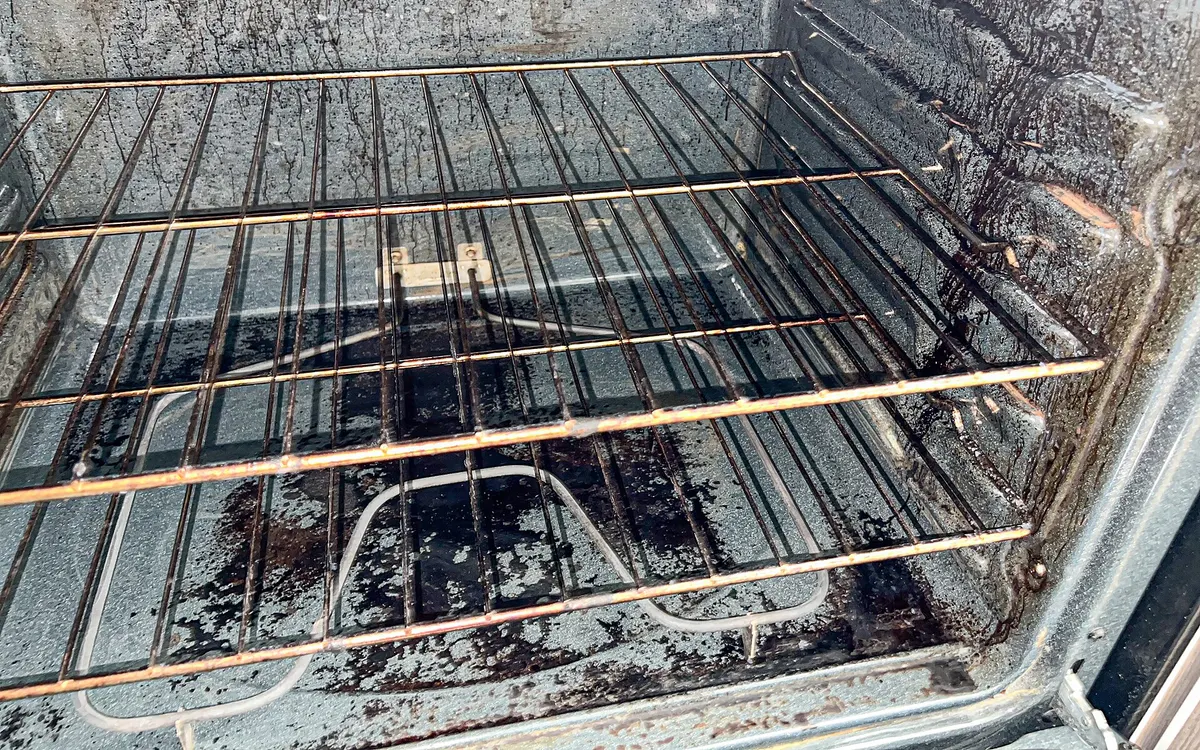
- One product at a time. Clean, rinse with plain water, let it dry, then use the next product. The overnight oven trick is a good example: baking soda first, vinegar only afterward.
- Ventilate. Open a window or run the bathroom fan, especially in small rooms. Mold in a washer seal or grout tempts people to stack products; use one method, like the washer seal fix or the grout paste.
- Keep original bottles. Never pour cleaners into unlabeled bottles or food containers.
- Store separately. Keep bleach and acidic products on different shelves.
- Gloves and eyes. Wear gloves; for strong products, eye protection too.
- Kids and pets. Lock it up or store it up high. Many pods and sprays look like candy or drinks.
Warning signs you were exposed
Coughing, watery or burning eyes, a sore throat, wheezing, chest tightness, nausea or a headache shortly after cleaning. Leave the area, get fresh air and call Poison Control (US: 1-800-222-1222, Australia: 13 11 26). If someone has trouble breathing or passes out, call 911 or 000 immediately.
Product-by-product: what is safe to use together
Most of the danger comes from products whose labels you do not read twice. This table covers the common ones in a US home. “Same session” means one after the other on the same surface without rinsing.
| Product | Main active ingredient | Never in the same session as | Safe pattern |
|---|---|---|---|
| Chlorine bleach | Sodium hypochlorite | Ammonia, vinegar, acids, rubbing alcohol, other cleaners | Bleach + water only, then rinse |
| Glass cleaner (blue type) | Often ammonia | Bleach | Use on glass only, after rinsing any bleach |
| White vinegar | Acetic acid | Bleach, hydrogen peroxide in one bottle | Alone, or rinse first |
| Toilet bowl cleaner | Often hydrochloric or other acids | Bleach, other toilet cleaners | Flush twice before switching products |
| Rust and lime removers | Acids | Bleach | Alone, gloves, ventilate |
| Hydrogen peroxide 3% | Hydrogen peroxide | Vinegar in the same container | Alone, store in its brown bottle |
| Rubbing alcohol | Isopropyl alcohol | Bleach | Alone |
| Drain cleaner | Strong base or strong acid | Any other drain cleaner, any other cleaner | One product, follow the label exactly |
| Oven cleaner | Often sodium hydroxide (lye) | Other cleaners, aluminum surfaces | Alone, gloves, ventilate |
| Disinfecting wipes and sprays | Quats, alcohol or peroxide (varies) | Bleach on the same wet surface | Let the surface dry, or rinse |
If the label lists an ingredient you do not recognize, treat it as “do not mix”. The label is the legal instruction for that product in the US, and many say on the back, in small print, exactly what not to combine it with.
The accidental mixes that actually happen
People rarely pour two bottles into one bucket on purpose. These are the everyday ways it happens:
- Toilet: pouring bleach into a bowl that still holds an acidic toilet cleaner, or into a bowl with urine in it (ammonia compounds).
- Shower: spraying a bleach-based mold remover on tiles, then a vinegar spray on the glass while the walls are still wet in a closed, steamy room.
- Mirror after bleach: wiping a bathroom with bleach, then cleaning the mirror with an ammonia glass cleaner.
- Buckets and spray bottles: reusing a bottle or bucket that still has another cleaner in the bottom.
- Litter boxes and pet accidents: bleach on cat litter or dog urine.
- Laundry: bleach in the dispenser while also adding vinegar to the softener cup “for freshness”.
- Dishwasher or washing machine: a bleach-based cleaner in the same cycle as vinegar or a cleaning tablet.
The fix in every case is the same: flush, rinse or wipe with plain water, let it dry, ventilate, then use the next product.
Myths and facts
“Natural products are safe to mix.” Not always. Hydrogen peroxide and vinegar are both “green” favorites, but mixed in one bottle they form peracetic acid, which can irritate skin, eyes and lungs.
“A little bit does not matter.” Small amounts in a small, closed bathroom can still irritate the lungs, especially for people with asthma. The American Lung Association lists cleaning chemicals among indoor air pollutants and recommends good ventilation.
“If I do not smell anything, it is fine.” Some people get used to a smell within minutes. Watch for symptoms instead: coughing, watery eyes, a burning throat.
“Stronger is cleaner.” Doubling the dose does not disinfect much better at home. The bleach dilution chart shows the amounts that work.
What to do in the first 5 minutes
- Stop and leave the room. Take children and pets with you.
- Get fresh air. If you can open a window on the way out without breathing more fumes, do it; otherwise just leave.
- Call Poison Help: 1-800-222-1222 (US, free, 24/7). They will tell you whether you need medical care. In Australia, the Poisons Information Centre is 13 11 26.
- Call 911 (or 000 in Australia) if someone has trouble breathing, chest pain, confusion or passes out.
- Do not go back in to clean up until the air has cleared and the room has aired out. Then dilute the spill with plenty of water, wearing gloves.
Safe storage, room by room
- Under the kitchen sink: dish soap, dishwasher detergent, baking soda, one all-purpose spray. Keep bleach elsewhere or on the opposite side from vinegar.
- Bathroom: one bathroom cleaner and one toilet cleaner. If your toilet cleaner is acidic, keep bleach out of the bathroom cabinet entirely.
- Laundry room: bleach on a high shelf, away from vinegar and ammonia products.
- Garage: drain cleaners, rust removers and pool chemicals, high up, in their original containers, never next to each other.
Child-resistant latches cost a few dollars at any US hardware store and are worth it if you have small children or visiting grandchildren.
The cheapest safe cleaning kit
You do not need a cabinet full of products. A safe, effective basic kit is: dish soap, baking soda, white vinegar, one bleach product (used alone), an all-purpose spray and microfiber cloths. Keep the bleach and the vinegar on opposite ends of the shelf.
FAQ
Can I mix bleach and dish soap?
Most plain dish soaps do not contain ammonia, but some soaps and specialty cleaners do. Since you cannot always tell from the label, the safe rule is to use bleach only with water.
Is it safe to clean with vinegar after using bleach?
Only if you rinse the surface well with water and let it dry first, and keep the room ventilated. Never spray one on top of the other while wet.
What should I do if I accidentally mixed bleach and ammonia?
Leave the room immediately, open windows if you can do it quickly, get to fresh air, and call Poison Control or emergency services if you have any symptoms. Do not go back in until the air has cleared.
Can I mix two brands of the same type of cleaner?
It is still not recommended. Different formulas can contain different active ingredients. Use one product, rinse, then use the next.
Sources
- American Lung Association: Cleaning Supplies and Household Chemicals
- Poison Help line (1-800-222-1222)
- Poison Control (National Capital Poison Center)
- EPA: Indoor Air Quality
Always follow the label on your product. Labels are the legal use instructions in the US.
Save this for cleaning day. Pin it so you can find it later.
Save to Pinterest Read next Bleach Dilution Chart: How Much Bleach per Gallon to Disinfect (and When Not to Use It)