| Water | Bleach | Good for |
|---|---|---|
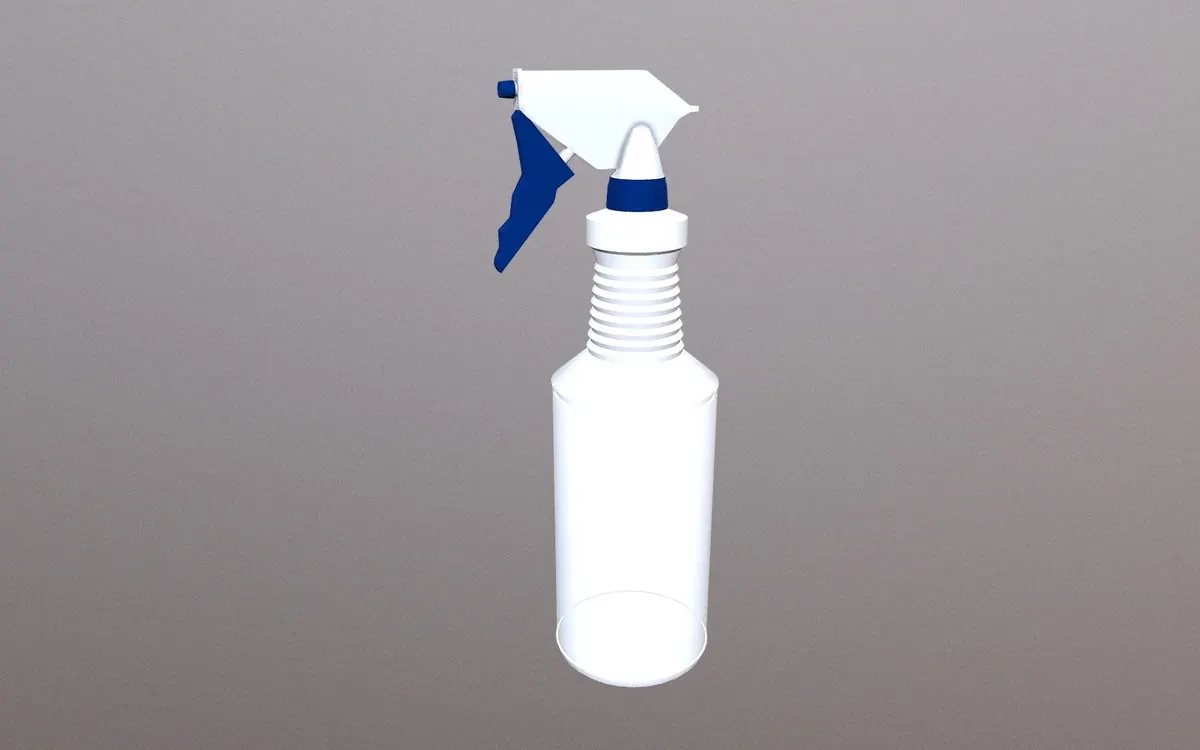
| 1 quart (4 cups) | 4 teaspoons | A spray bottle |
| 1/2 gallon | 2 1/2 tablespoons | A small bucket |
| 1 gallon | 5 tablespoons (1/3 cup) | Floors, a big bucket |
| 2 gallons | 2/3 cup | Mop bucket for a large area |
Make it fresh each day you use it; diluted bleach loses strength.
Cleaning, sanitizing and disinfecting are not the same
- Cleaning removes dirt and most germs with soap or detergent and water. It is what most surfaces need most days.
- Sanitizing lowers germs to a safer level. Common for dishes and food-contact surfaces.
- Disinfecting kills most germs on a surface, and only works if the product stays wet for its full contact time listed on the label.
The EPA registers disinfectants and publishes lists of products for specific germs. Every registered product has an EPA registration number on the label along with its contact time. If a spray says “disinfects” but you wipe it off after five seconds, it did not disinfect.
When to disinfect at home
Disinfecting is worth it when someone in the house is sick (especially with vomiting or diarrhea), after handling raw meat on a counter, and on high-touch surfaces such as handles and faucets during cold and flu season. The rest of the time, regular cleaning is enough, and less bleach in the air is better for your lungs.
How to use it, step by step
- Clean first. Wash the surface with soap and water. Bleach does not work well on dirt.
- Ventilate. Open a window or run the fan.
- Mix in cold or room-temperature water, adding bleach to water, not water to bleach.
- Apply and keep it wet for at least 1 minute, or the contact time on your label.
- Rinse food-contact surfaces with clean water afterward and let them air dry.
Myths and facts
“More bleach works better.” No. Stronger solutions do not disinfect meaningfully better at home, but they damage surfaces and irritate your lungs.
“A splash of vinegar makes bleach stronger.” Dangerous. Acids added to bleach release chlorine gas. See cleaning products you should never mix.
“Bleach cleans mold off everything.” On porous materials like drywall, wood and grout, bleach often lightens the stain without removing the mold underneath; the EPA’s mold guidance focuses on fixing moisture and cleaning, not on bleach. For grout, use the peroxide paste; for a washer seal, see black mold in the door seal.
“All bleach is the same.” Not quite. Some splash-less, scented and “color safe” products are not registered to disinfect. Check for the EPA registration number and disinfecting directions.
“Hot water helps.” Use room-temperature water; the CDC’s household instructions say so.
If something goes wrong
If someone breathes fumes and feels dizzy, coughs or has a burning throat, get them to fresh air and call Poison Help at 1-800-222-1222 (free, 24/7 in the US). Call 911 for trouble breathing. If bleach gets in the eyes, rinse with running water for 15 minutes and call Poison Help.
Store it safely
Keep bleach in its original bottle, upright, away from heat and sunlight, out of reach of children, and on a different shelf from vinegar and ammonia products. Bleach slowly loses strength in the bottle, so check the date and buy smaller bottles if you rarely use it.
Sources
- CDC (Centers for Disease Control and Prevention)
- EPA: Selected EPA-Registered Disinfectants
- American Lung Association: Cleaning Supplies and Household Chemicals
- Poison Help line (1-800-222-1222)
Always follow the label on your product. Labels are the legal use instructions in the US.
Save this for cleaning day. Pin it so you can find it later.
Save to Pinterest Read next Hotel Housekeeper Secrets: How Pros Clean a Room in 20 Minutes (Part 1)