Clean it, replace it or call someone?
| What you see | What it means | What to do |
|---|---|---|
| Gray slime and a few black dots in the folds | Surface mold and detergent scum | Clean it with the steps below |
| Black dots that stay after two cleanings, seal otherwise fine | Stain set into the rubber | Usually harmless; keep it dry and clean monthly |
| Seal torn, cracked, sticky or still smelly after cleaning | The rubber is damaged and holds water | Replace the gasket (many are a DIY job; check your model) |
| Mold on the wall or floor behind the washer, or water damage | A leak, not just a dirty seal | Fix the leak; for a big area, see below |
The EPA’s rule of thumb for mold at home: if the moldy area is less than about 10 square feet (roughly a 3 ft by 3 ft patch), in most cases you can handle it yourself. If there has been a lot of water damage or the mold covers more than that, the EPA points you to professional remediation guidance. A washer gasket is far below that size. A hidden leak soaking the floor is not.
Step-by-step
1. Open the seal
Open the door and fold back the rubber gasket all the way around. The worst spot is almost always the bottom fold, where water collects.
2. Take out the gunk
With a paper towel, wipe out hair, lint, coins and slime. Throw the towel away.
3. Mix and apply
In a bowl, mix 1 tablespoon of regular household bleach with 1 quart of water (about 1 liter). Wipe it into the folds with a cloth or sponge. Read your bleach label first: concentrations vary, and the label is the legal instruction for that product. Our bleach dilution chart has the amounts for bigger jobs.
Do not add vinegar, ammonia-based cleaners or a washer-cleaning tablet. Bleach mixed with acids or ammonia releases toxic gases.
4. Wait, scrub, rinse
Leave it about 10 minutes, then scrub the folds with an old toothbrush. Wipe everything with a cloth dipped in clean water, twice.
5. Dry it
Dry the seal with a towel, then leave the door open for a few hours.
If you also want to clean the drum, run an empty hot cycle afterward with nothing else added, or wait until another day to do a vinegar cycle, as explained in our washer guide.
If you would rather not use bleach
For light mildew on a seal, a few drops of dish soap in warm water and a lot of scrubbing removes much of it, though it does not lighten stains. Hydrogen peroxide (3%) on a cloth is another option. Use one product per session and rinse in between.
Why it keeps coming back
The EPA’s mold guidance boils down to one sentence: there is no practical way to eliminate all mold spores indoors, so you control the moisture. In a front loader, that means:
- Leave the door ajar after every wash.
- Pull the laundry out right away.
- Wipe the bottom fold with a dry towel once a week.
- Use less detergent (HE detergent only) and go easy on liquid softener.
- Run a hot wash at least once a week, such as towels.
When it is not the seal
If the smell persists with a clean seal, check the drain filter and the detergent drawer, which are covered in the full washer guide. If towels still smell, they may need stripping.
Sources
- EPA: A Brief Guide to Mold, Moisture and Your Home
- EPA: Mold Cleanup in Your Home
- American Lung Association: Cleaning Supplies and Household Chemicals
Always follow the label on your product. Labels are the legal use instructions in the US.
Save this for cleaning day. Pin it so you can find it later.
Save to Pinterest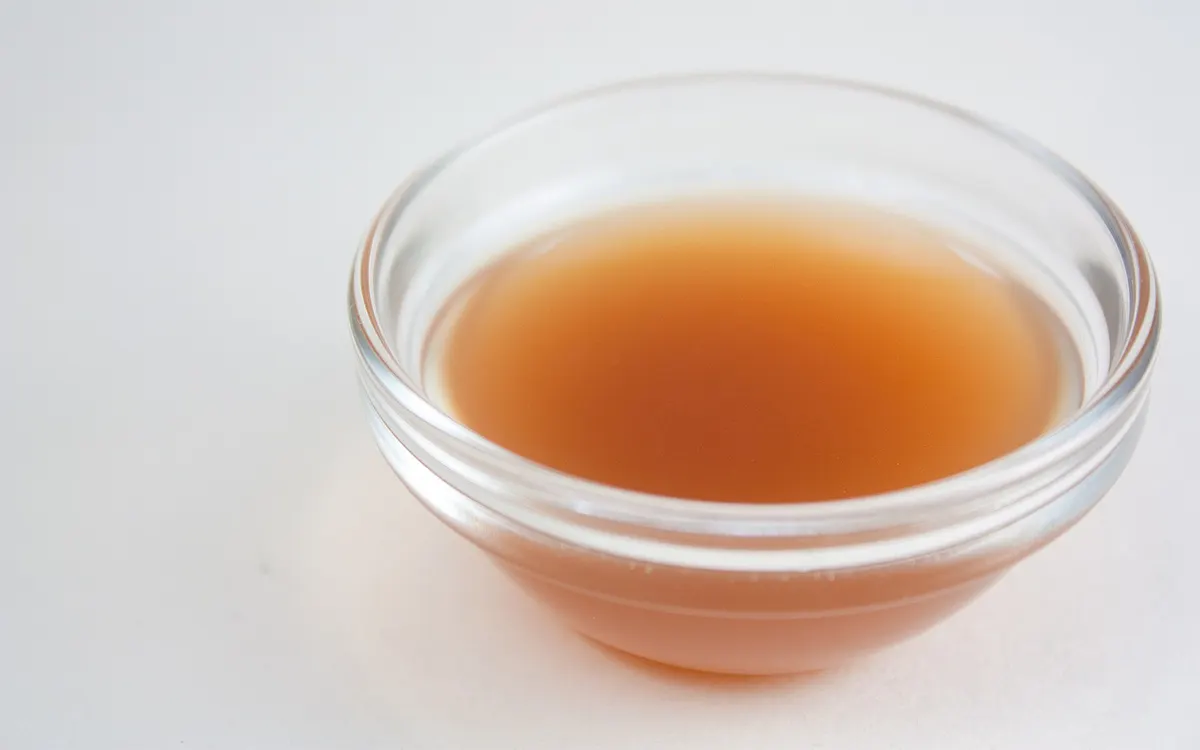 Read next Can Vinegar Ruin Your Countertops? 12 Places Not to Use Vinegar