- 1/2 cup baking soda: gentle abrasive, lifts dirt.
- 1/4 cup 3% hydrogen peroxide: the brown pharmacy bottle; it oxygenates and brightens stains.
- 1 teaspoon dish soap: cuts the greasy film and makes the paste stick.
Mix it in a bowl until it looks like loose toothpaste. Make it fresh; peroxide loses power once mixed.
Step 1: Prep
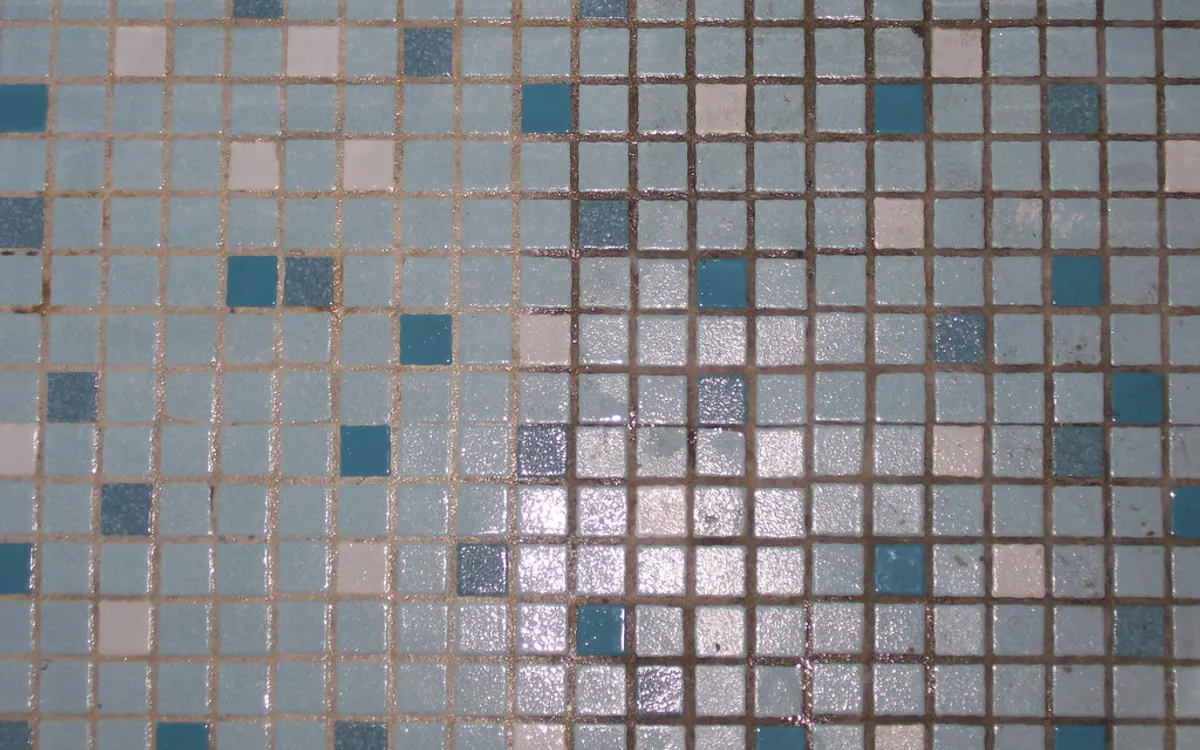
Sweep or vacuum loose dirt, then wipe the grout with warm water. Wet grout absorbs the paste better.
Step 2: Apply
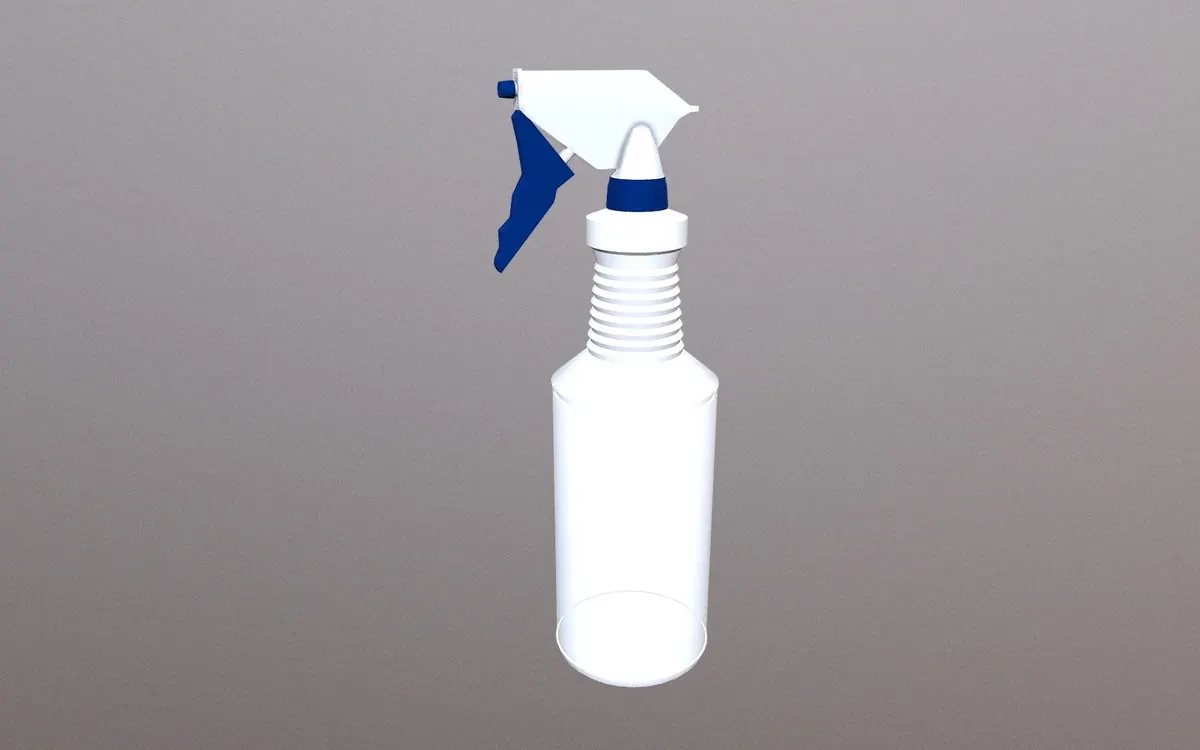
Spread the paste along the grout lines. An easy trick is to put it in a squeeze bottle (like an old ketchup bottle) and draw a line right on the grout. Cover every line you want to clean.
Step 3: Wait
Leave it for 10 to 15 minutes. You will see it fizz slightly. That is the peroxide releasing oxygen and lifting stains from the pores.
Step 4: A quick brush
Run a grout brush or old toothbrush along each line once or twice. You are not scrubbing hard, just helping the loosened dirt come out. On walls, work from the bottom up so drips do not streak clean areas.
Step 5: Rinse and dry
Wipe the area with a clean damp cloth or mop, rinsing it often. Dry with a towel and let the room air out.
For really black grout
If grout is still dark after one round, the stain is deep or it is mold (bleach on porous grout often lightens the stain without fixing it; see the myths in our bleach dilution chart):
- Repeat the paste and let it sit for 30 minutes.
- For mildew in a shower, use a dedicated mold and mildew product according to its label, on its own, with the fan on.
- A handheld steam cleaner with a narrow nozzle is excellent for grout and uses only water.
- If grout is crumbling or cracked, cleaning will not fix it. Regrouting a small area is an easy weekend job.
Colored grout
Peroxide can lighten some colored grout. Test a hidden spot first. For dark or colored grout, use a pH-neutral tile cleaner or dish soap in warm water with the brush, and skip the peroxide.
Why not vinegar?
Vinegar is everywhere in cleaning hacks, but it is an acid, and grout is cement-based. Used over and over, it slowly eats into the grout and makes it rough and more absorbent, so it gets dirty faster. Keep vinegar for cloudy shower glass and faucets, not grout.
Keep it clean afterward
- Seal the grout once it is clean and completely dry (wait 24 hours). Sealing once a year blocks stains.
- Squeegee shower walls after showers.
- Mop with clean water: change the bucket water halfway through the floor. Dirty mop water is what turns floor grout gray.
- Do a monthly paste round on the worst spots, like the shower floor corners.
Want a full bathroom routine? See our hotel bathroom secrets.
FAQ
Can I use bleach on grout?
On white, sealed grout, a diluted bleach solution can be used occasionally, but it can weaken grout over time and must never be combined with vinegar or ammonia. The peroxide paste is gentler for routine cleaning.
Why is vinegar bad for grout?
Grout is cement-based, and acids slowly dissolve it. Regular vinegar use can leave grout rough, pitted and more absorbent.
How do I keep grout clean longer?
Seal it once a year, squeegee shower walls, and mop floors with a pH-neutral cleaner instead of acids.
Sources
Always follow the label on your product. Labels are the legal use instructions in the US.
Save this for cleaning day. Pin it so you can find it later.
Save to Pinterest Read next How to Clean Refrigerator Coils (and Find Them First)