What kind of filter do you have?
| Filter | Looks like | Clean or replace? | How often |
|---|---|---|---|
| Aluminum mesh | Layers of silver mesh in a frame | Clean (soak or dishwasher if the manual allows) | Every 1–3 months |
| Stainless steel baffle | Angled metal slats, heavy | Clean (soak or dishwasher) | Every 1–3 months |
| Charcoal / carbon | Black, felt or foam-like, often behind the metal filter | Replace; cannot be washed | Usually every 3–6 months; see the manual |
| Paper / fabric pad | Thin, disposable | Replace | When it is discolored |
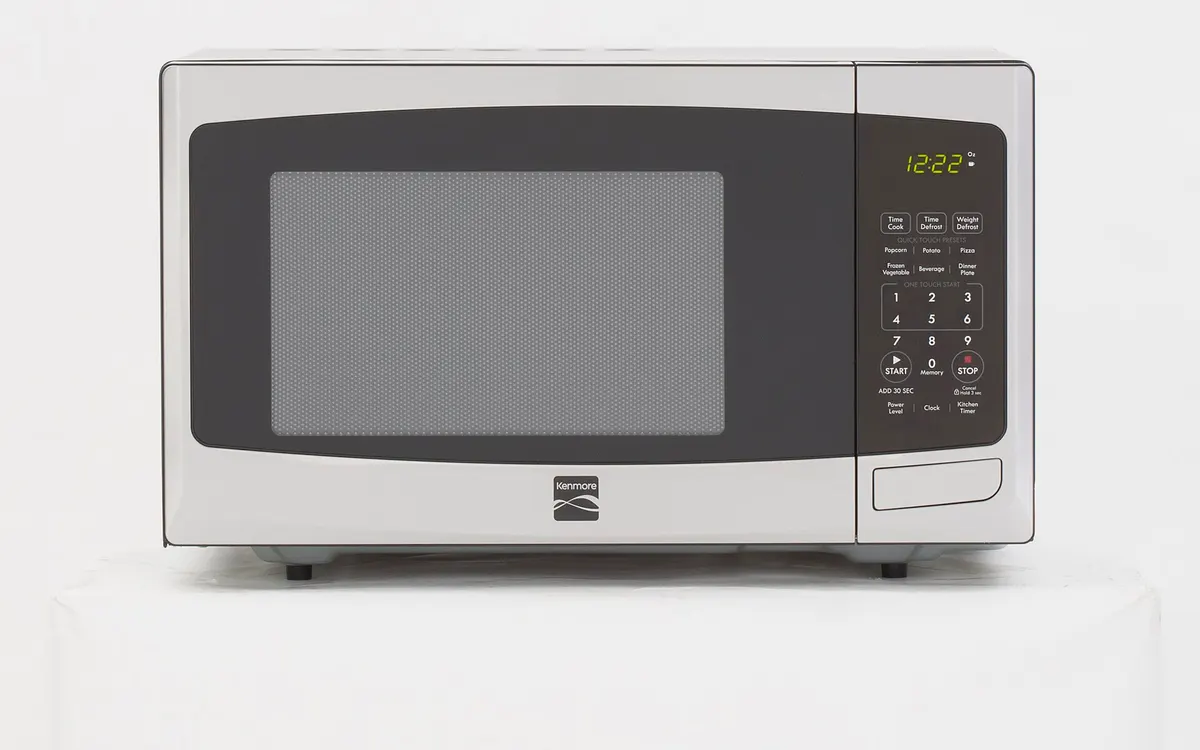
If your hood vents outside, it usually has only metal filters. If it blows air back into the kitchen (recirculating, common in apartments and over-the-range microwaves), it has a charcoal filter too.
Step-by-step
1. Take it out
Turn off the burners and the hood fan. When everything is cool, slide or unclip the filter. Most have a small pull tab or spring latch.
2. Boil and soak
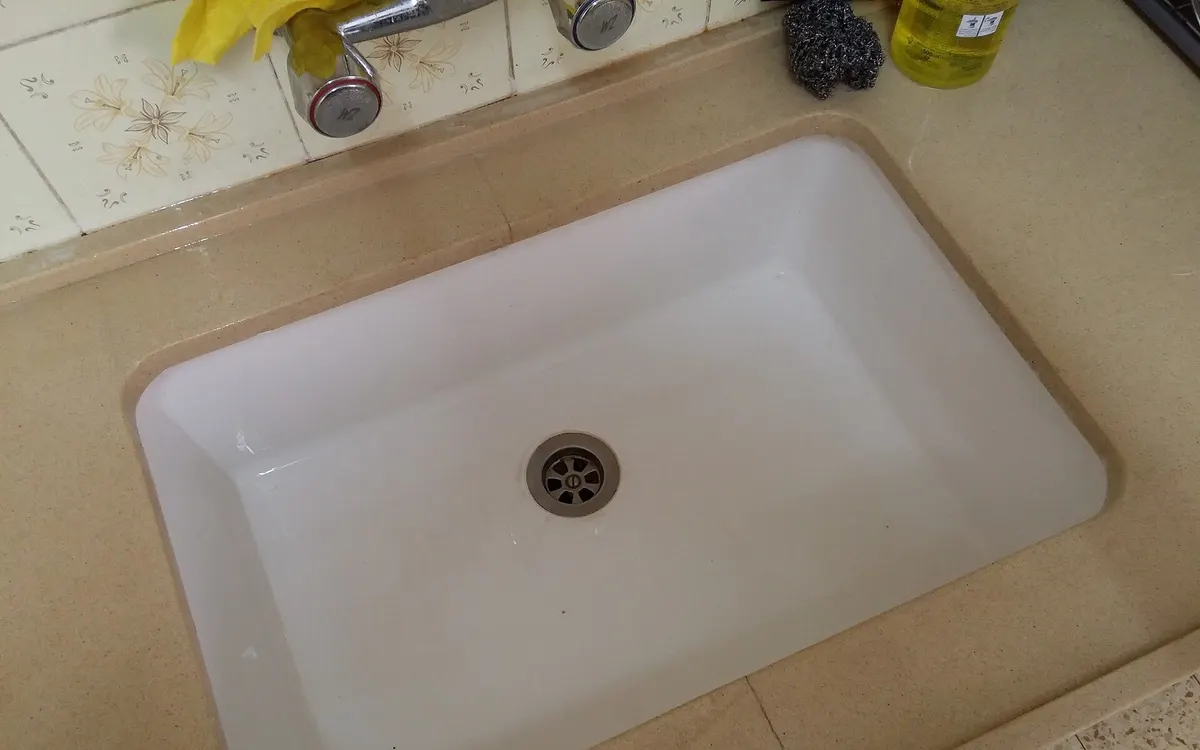
Put the filter flat in a clean sink (or a roasting pan, or the bathtub for big ones). Boil a kettle or a large pot of water and pour it slowly over the filter until it is covered. Add 1/2 cup of baking soda a little at a time; it will foam. Add a good squirt of degreasing dish soap.
3. Wait
Leave it 10 to 20 minutes. The heat softens the grease and the baking soda helps loosen it.
4. Scrub and rinse
With gloves on, scrub both sides with a non-scratch brush. Most grease slides off. Rinse with hot tap water. Very greasy? Drain, and repeat the soak once.
5. Dry and reinstall
Shake off the water and let it air dry completely before putting it back.
Dishwasher: yes or no?
Many stainless baffle filters and some aluminum mesh filters are dishwasher-safe. Check your manual: harsh dishwasher detergents can dull or darken aluminum. If you do it, put the filter alone or with pots, on a hot cycle, and clean the dishwasher filter afterward, because that grease goes somewhere.
Also clean the hood itself
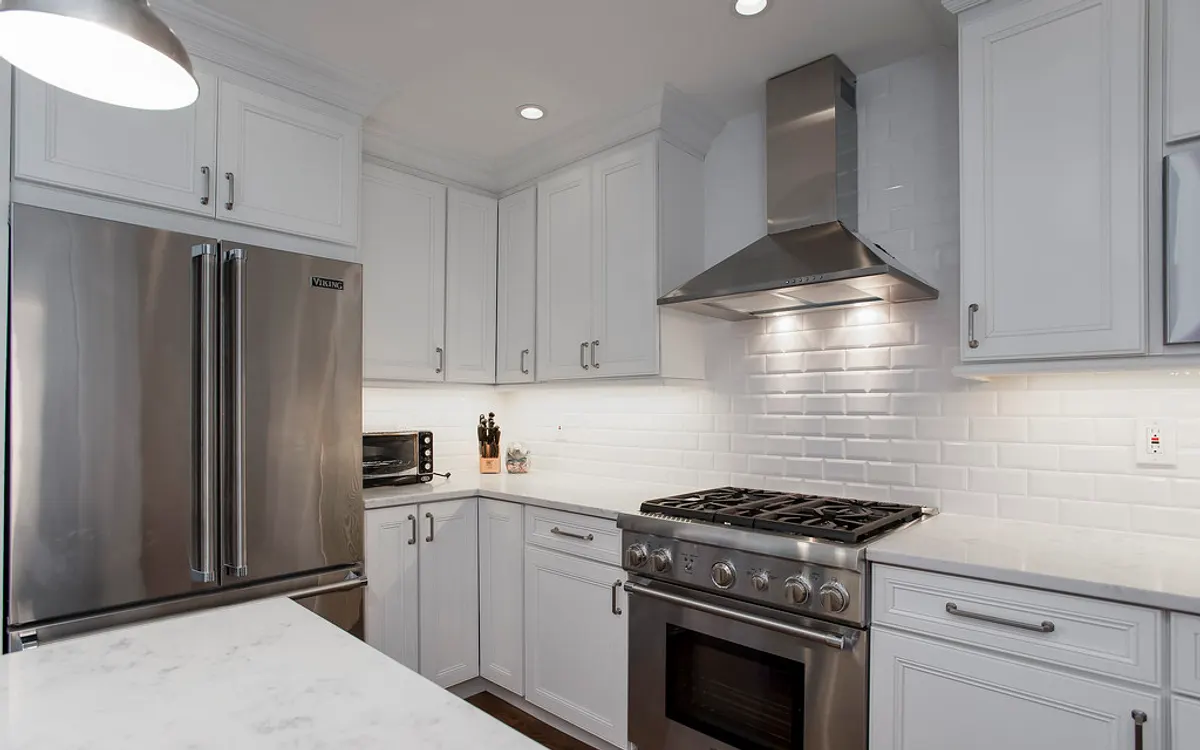
Wipe the underside and the outside of the hood with warm water and dish soap on a microfiber cloth, then dry it. For stainless steel, wipe with the grain. Do not spray cleaner directly toward the lights or the fan controls.
If a grease fire starts
Fire-safety guidance from the NFPA and the US Fire Administration is consistent: never pour water on a grease fire. Turn off the burner if you can do so safely, slide a lid over the pan and leave it covered. If the fire is not small and contained, get out and call 911.
Make it last longer
- Turn the hood on every time you cook, before you start, and leave it on a few minutes after.
- Use the back burners when you can; the hood captures more there.
- Clean the filter every 1–3 months, monthly if you fry often.
The oven below the hood? Clean it with the overnight baking soda trick. And add the hood to your monthly checklist, where it already sits on kitchen week.
Sources
- NFPA: Cooking Fire Safety
- US Fire Administration: Home Fires
- American Lung Association: Cleaning Supplies and Household Chemicals
Always follow the label on your product. Labels are the legal use instructions in the US.
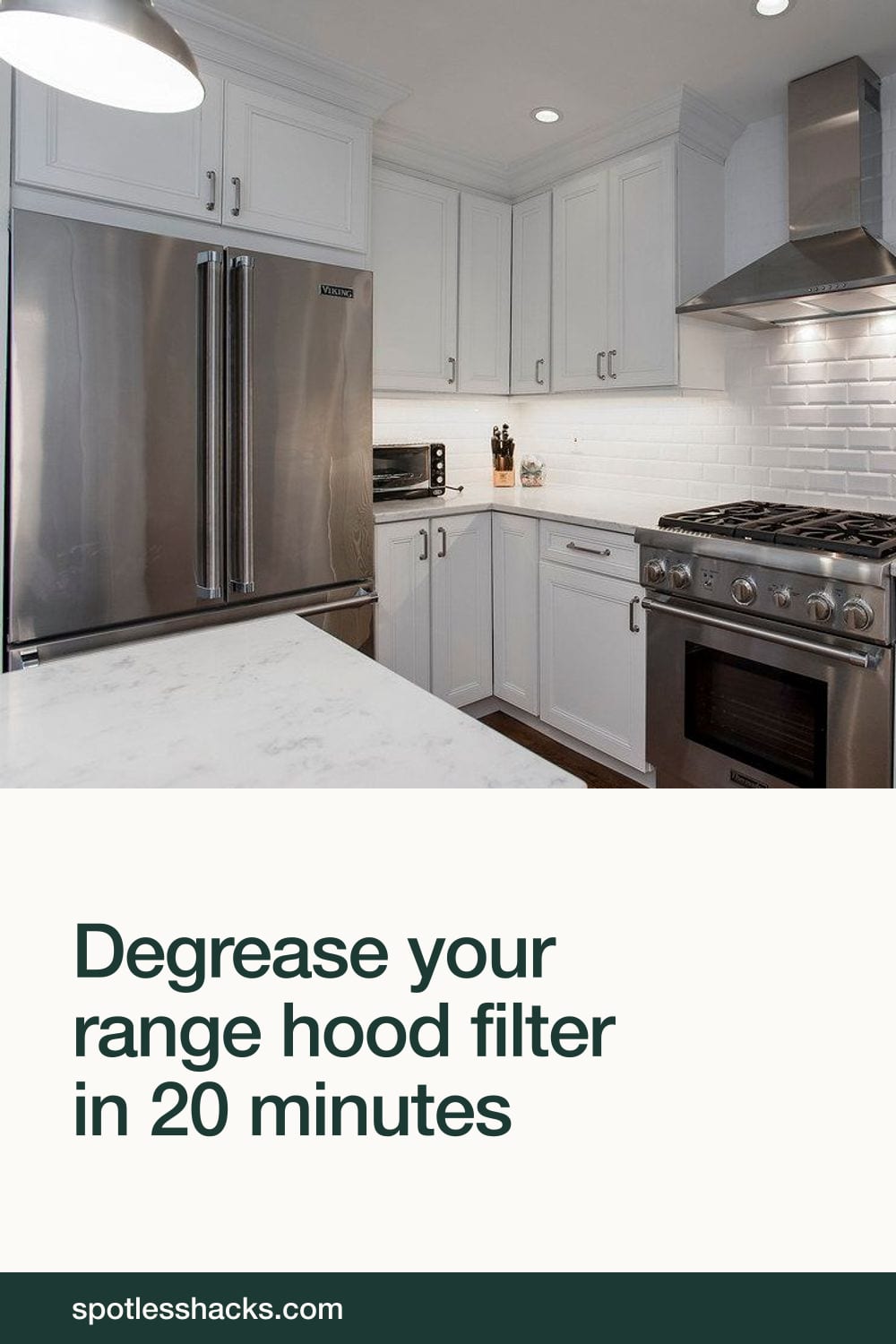
Save this for cleaning day. Pin it so you can find it later.
Save to Pinterest Read next How to Clean a Humidifier (and the EPA's Every-Third-Day Rule)